Shemale - Tube List |verified|
In your advertising, commercial or fashion show??
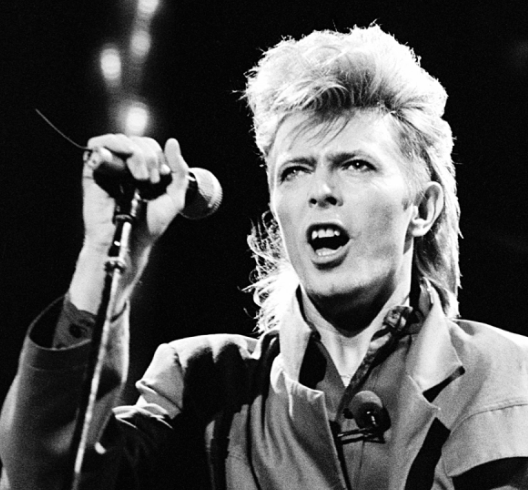
MMB Fairwood Scandinavia exclusively in sales cooperation with AM Usualsuspects offers David Bowie!
Three years before the famous events in New York, transgender women and drag queens in San Francisco’s Tenderloin district stood up against systemic police harassment. The riot at Gene Compton’s Cafeteria marked one of the first recorded instances of collective, physical resistance to the oppression of queer people in United States history. It directly led to the creation of a network of trans-led social, psychological, and medical support services. The Stonewall Inn (1969)
Because many trans people are rejected by their biological families, they invented chosen family . This concept—where friends become siblings, ex-partners become cousins, and elders become parents—is now a cornerstone of broader . It is the emotional infrastructure that sustains the community through HIV/AIDS, homelessness, and political persecution.
The relationship between the transgender community and broader LGBTQ+ culture is a dynamic tapestry woven from shared struggles, distinct identities, and collective triumphs. While often grouped under a single acronym, the experiences of gender-nonconforming individuals and sexual minorities represent unique threads of human diversity. Understanding this intersection requires exploring historical roots, modern cultural contributions, unique challenges, and the ongoing fight for liberation. Historical Foundations and the Fight for Liberation
Despite significant cultural visibility, the transgender community faces distinct systemic hurdles that often require focused activism within and outside the broader LGBTQ+ movement.
The modern LGBTQ+ movement owes much to transgender activists, particularly women of color, who led early resistance against systemic oppression. Early Resistance: Major uprisings, such as the 1959 Cooper Do-nuts Riot in Los Angeles and the 1966 Compton’s Cafeteria Riot shemale tube list
Keywords: transgender community, LGBTQ culture, trans history, gender identity, Stonewall, Marsha P. Johnson, trans rights, non-binary, chosen family, LGBTQ allyship.
It is impossible to discuss LGBTQ history without placing transgender individuals at the forefront. From the to the Compton’s Cafeteria Riot , trans women of colour like Marsha P. Johnson and Sylvia Rivera were the architects of modern liberation.
When police raided the Stonewall Inn in Greenwich Village, New York City, it was the trans women of color, gender-nonconforming street youth, and lesbians who fought back first. Icons like Marsha P. Johnson and Sylvia Rivera became central figures of this resistance. Their anger transformed a routine police raid into a multi-day uprising that served as the catalyst for the modern gay liberation movement. Radical Organizing
Access to knowledgeable, respectful, and affordable medical care remains a significant hurdle for trans individuals globally. Three years before the famous events in New
. While today's culture sees a rise in visibility and legal recognition for trans individuals, the community continues to face a complex landscape of historical resilience and contemporary challenges. Historical Foundations and Resilience
As the transgender community continues to grow in visibility and influence, its relationship with LGBTQ+ culture remains one of mutual evolution. By challenging the most basic assumptions about gender and identity, trans individuals offer the entire world a more expansive vision of what it means to be human. Conclusion
Some factions within the LGB community have historically attempted to distance themselves from transgender advocacy, mistakenly believing that dropping trans rights would accelerate their own mainstream political acceptance.
Chosen families led by "mothers" and "fathers" who provide shelter, mentorship, and support. The Stonewall Inn (1969) Because many trans people
Much of what the world currently recognizes as mainstream LGBTQ+ culture—including slang, fashion, dance, and humor—originates directly from the historical trans and gender-nonconforming community, specifically Black and Latine trans individuals within the ballroom scene.
The modern LGBTQ+ rights movement was largely forged by transgender and gender-nonconforming individuals, particularly trans women of color. Historically, spaces of survival were shared out of necessity.
To fully understand transgender integration into LGBTQ+ culture, one must distinguish between gender identity and sexual orientation. Sexual orientation concerns whom a person is attracted to (e.g., lesbian, gay, bisexual). Gender identity concerns a person’s internal, deeply felt sense of being male, female, a blend of both, or neither (e.g., transgender, non-binary, agender).
The transgender community and the broader LGBTQ+ culture are built on a history of resilience
We'll identify which sites fall into which categories throughout this guide.
In your advertising, commercial or fashion show??
MMB Fairwood Scandinavia exclusively in sales cooperation with AM Usualsuspects offers David Bowie!
Whether you’re looking for a film and TV soundtrack, a catchy song for your next commercial or something unique for your corporate videos, Findthetune is the place to go. On Findthetune you’ll have access to international music used in epic film trailers, Hollywood productions, global commercials, legendary TV shows and much more.


Finding music on Findthetune is the easiest thing in the world. Simply log in, use your own keywords in English and download your favorite tracks. You can even use projects to save your favorite tracks for later!
Licensing has never been easier than here. You can choose a license for Findthetune which covers your music usage for months or you can choose to pay per use. You can report your use of music directly to us via your Findthetune user or by contacting one of our amazing music supervisors.
Contact us now to get an offer.