
Witaj!
Blog archiwalny. Już niebawem nowy serwis!
 Cyfrowy mikroskop Andonstar ADSM201
 LattePanda z procesorem Intel Atom x5 Z8300
 Wybieramy analizator stanów logicznych
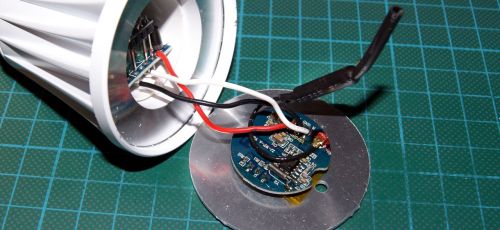 Komunikacja Wi-Fi z żarówką RGB od ChiChinLighting
 NanoPi NEO - miniaturowy Allwinner H3 za bezcen
 NanoPI M3 - ośmiordzeniowec z układem Samsung S5P6818
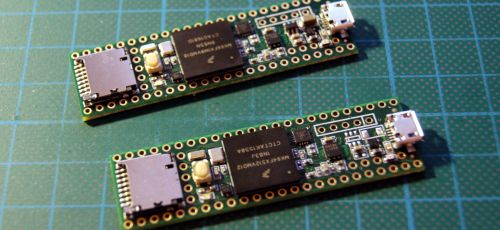 Pierwsze spojrzenie na nowe Teensy 3.5 i Teensy 3.6
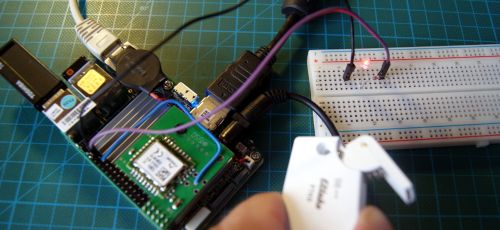 Inteligentny dom z czujnikami EnOcean i Up-Board
 Jak sprawuje się Up Board pod Linuksem?
 Up Board - SBC z procesorem Intel Atom x5 Z8350


The program involved a combination of positive reinforcement training, environmental enrichment, and desensitization techniques. Dr. Rodriguez and her team worked tirelessly with Max and Luna, teaching them new behaviors and rewarding them for calm, relaxed actions. Slowly but surely, the monkeys began to show improvement. Their pacing and self-mutilation decreased, and they started to exhibit more natural behaviors, such as foraging and socializing.
The Silent Language: How Veterinary Science Decodes Animal Behavior
Repetitive, purposeless behaviors—such as tail-chasing in dogs, psychogenic alopecia (over-grooming) in cats, or cribbing in horses—often stem from a mix of environmental deprivation and neurological imbalances. Veterinary science helps differentiate whether these actions are purely psychological or triggered by dermatological allergies and neurological lesions. 3. Fear-Free and Low-Stress Handling Practices zoofilia homem comendo egua
In conclusion, the study of animal behavior and veterinary science is a rich and dynamic field that offers valuable insights into the behavior, welfare, and health of animals. This review highlights the importance of integrating behavioral and veterinary sciences to address pressing issues in animal welfare, conservation, and veterinary medicine. As we move forward, it is essential to continue advancing our understanding of animal behavior and veterinary science, applying scientific knowledge to real-world problems, and addressing emerging challenges.
Neurotransmitters like serotonin, dopamine, and gamma-aminobutyric acid (GABA) regulate an animal's emotional baseline. When environmental modification and training fail to rehabilitate a highly reactive or phobic animal, veterinary behaviorists step in with psychotropic medications. The program involved a combination of positive reinforcement
: Studies on "caregiver burden" for owners of pets with chronic behavioral issues.
Habituation occurs when an animal stops reacting to a harmless, repeated stimulus, like traffic noise. Sensitization happens when a stimulus causes an increasingly intense reaction, such as a worsening fear of thunderstorms. Behavioral Signs of Medical Issues Slowly but surely, the monkeys began to show improvement
Animal behavior and veterinary science are two sides of the same coin. We can no longer treat the body while ignoring the mind. By respecting an animal’s behavioral needs and applying rigorous scientific medical standards, we ensure a world where animals don't just survive, but truly thrive.
Feline Hyperesthesia Syndrome or deep spinal pain. The "aggression" was a pain response. Treatment: Gabapentin and environmental modification.
In wild species, behavior provides data on population viability and how human-induced environmental changes affect health. 3. Key Academic and Career Considerations
Traditional veterinary visits often induce extreme fear, anxiety, and stress (FAS) in animals. This stress is not only a welfare issue but also compromises medical data. Fear triggers the fight-or-flight response, elevating heart rate, blood pressure, and blood glucose levels, which can lead to inaccurate lab results and misdiagnoses.

2012: lis |
gru |
2013: sty |
lut |
mar |
kwi |
maj |
cze |
lip |
sie |
wrz |
paź |
lis |
gru |
2014: sty |
lut |
mar |
kwi |
maj |
cze |
lip |
sie |
paź |
lis |
gru |
2015: sty |
lut |
mar |
kwi |
maj |
cze |
lip |
2016: sty |
lut |
mar |
kwi |
wrz |
paź |
2017: sty |
lut |
mar |
lip |

