Check the file’s container metadata. Use ffprobe to list all streams; any non‑media stream (e.g., attachment with an .exe ) is a red flag.

Many third-party video platforms require users to sign up for a "free account" to watch the patched content. This is a vector for credential stuffing and phishing. If you register using an email and password combination that you use elsewhere, attackers will attempt to log into your primary email, banking, or social media profiles. How to Evaluate Domain Safety

The search term has spiked in curiosity across search engines and social media platforms. To unpack what this phrase means, you have to look at it through two entirely different lenses: cybersecurity/software development and modern internet slang .

Most streaming platforms use temporary cryptographic tokens to validate a user's viewing session. If the token generation algorithm is weak, malicious actors can manipulate the expiration date or user parameters, granting permanent access to restricted video directories. 2. URL Sniffing and Scraping

Accessing "Premium" videos without a subscription.

Access media through licensed, mainstream streaming platforms that guarantee secure connections and data privacy.

In digital terminology, a "patch" is an update deployed by developers to fix a bug or security vulnerability. However, in the realm of third-party websites and pirated software, a "patched video" or "patched app" usually implies that someone has altered the software's original code.

When online video platforms roll out updates, security restrictions, or premium paywalls, external developer communities frequently look for workarounds to modify or "patch" the content. However, interacting with search strings that target patched video hosts presents significant security risks, privacy vulnerabilities, and functional limitations. What Does "Video Patched" Mean in This Context?

Modifying a site's video script or streaming frame to block unskippable advertisements natively.

Modified or "patched" files are not verified by official app stores like Google Play or Apple’s App Store. These files can frequently contain hidden malware, spyware, or adware designed to steal personal data from your device.

Malicious actors use automated bots to track trending user behaviors, search engine autocomplete data, and popular hashtags. When they spot a rising keyword or a domain name, they inject spam terms to target specific psychological triggers.

The mystery of "www mobikama com video patched" is an excellent reminder of how ambiguous online search queries can be. The key takeaways are:

The phrase is a microcosm of the modern digital‑media ecosystem: it blends technical craftsmanship , community collaboration , and legal ambiguity . By understanding why patches are released, how they are built, and what risks they carry, both creators and consumers can navigate this space more responsibly.

When obscure phrases or specific domains start trending, cybercriminals often notice. They use a technique called to capitalize on your curiosity.

If you are trying to optimize your video streaming setup or update media applications safely, follow these industry-standard security protocols: Stick to Official Sources

Searching for modified video content or software patches on unverified domains carries significant digital security risks. 1. Malware and Adware Distribution
A world of geom

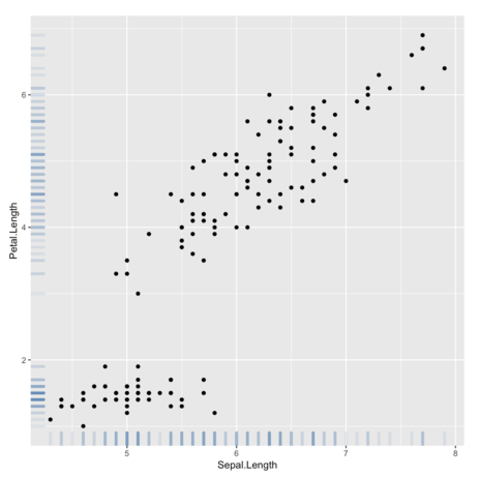
ggplot2 builds charts through layers using geom_ functions. Here is a list of the different available geoms. Click one to see an example using it.

geom_bar geom_bin geom_boxplot geom_density geom_error geom_hex geom_hist geom_hline geom_jitter geom_label geom_line geom_point geom_polygon geom_rect geom_ribbon geom_rug geom_segment geom_smooth geom_text geom_tile geom_violin geom_vline
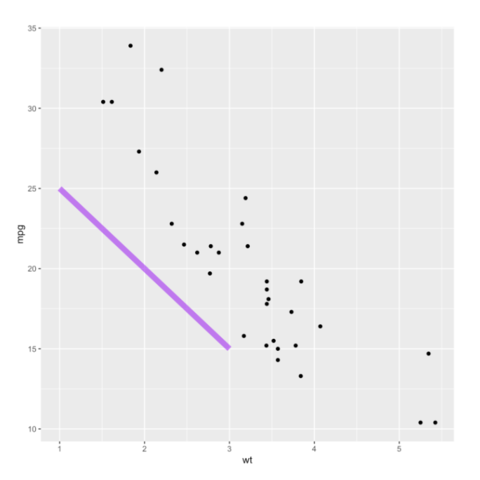
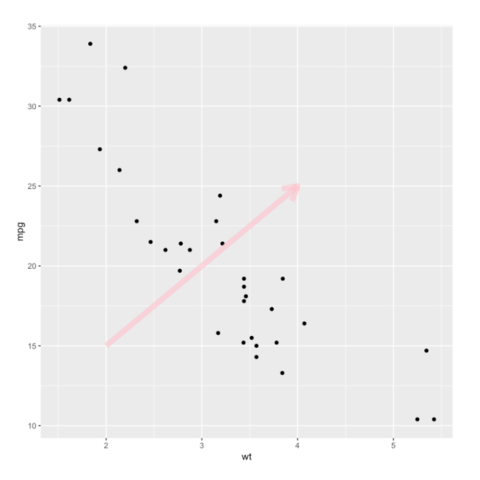
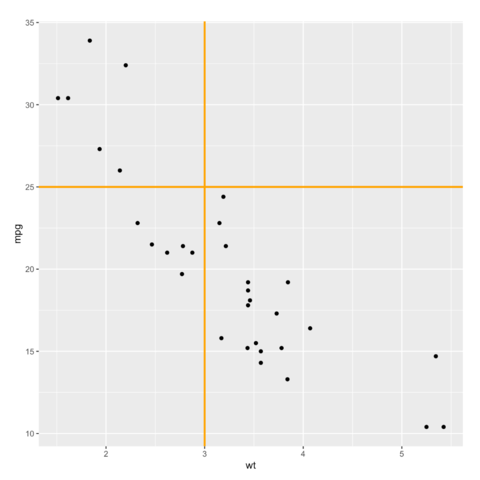
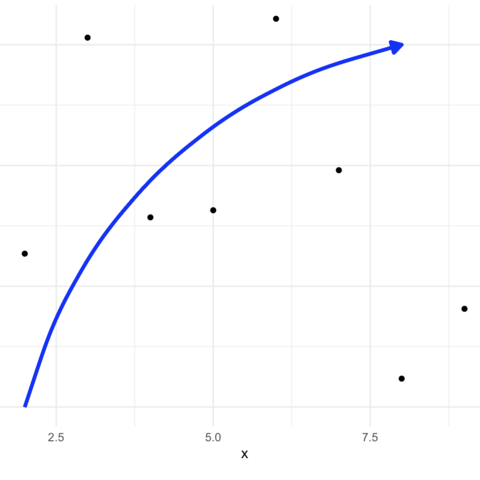
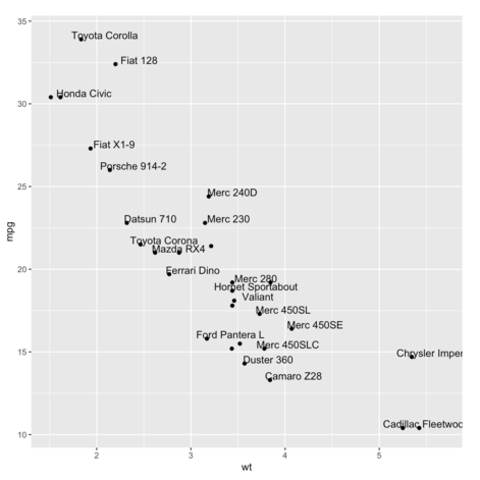
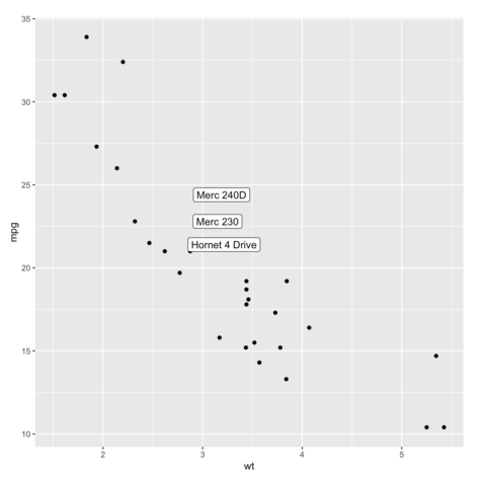
Annotation with ggplot2

Annotation is a key step in data visualization. It allows to highlight the main message of the chart, turning a messy figure in an insightful medium. ggplot2 offers many function for this purpose, allowing to add all sorts of text and shapes.


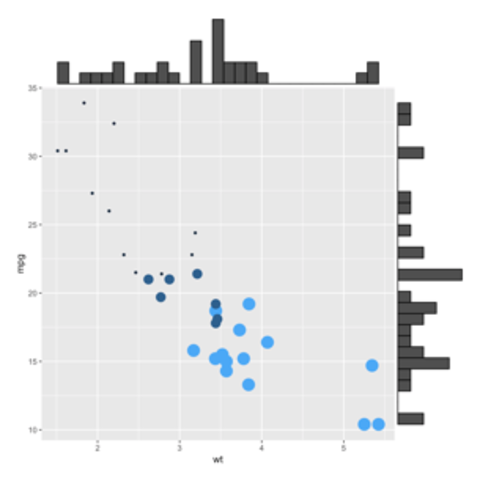
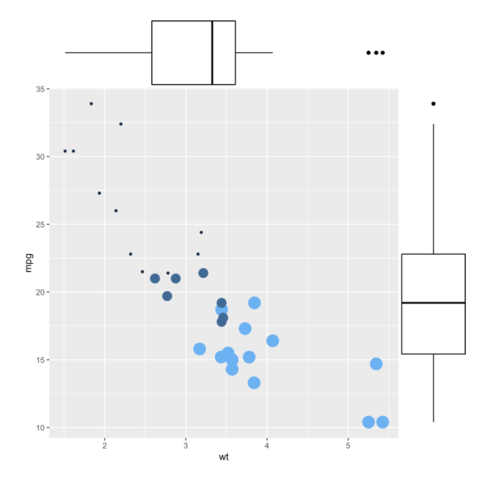
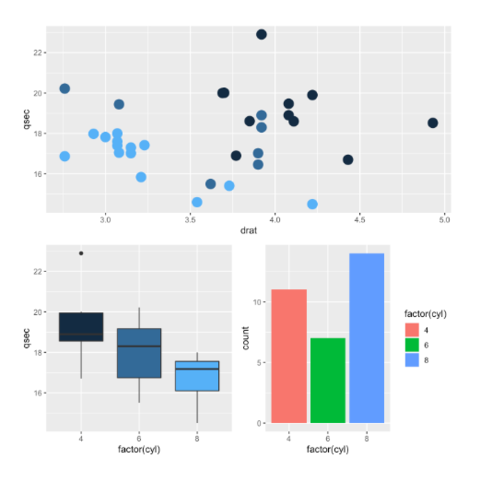
Marginal plot

Marginal plots are not natively supported by ggplot2, but their realisation is straightforward thanks to the ggExtra library as illustrated in graph #277.


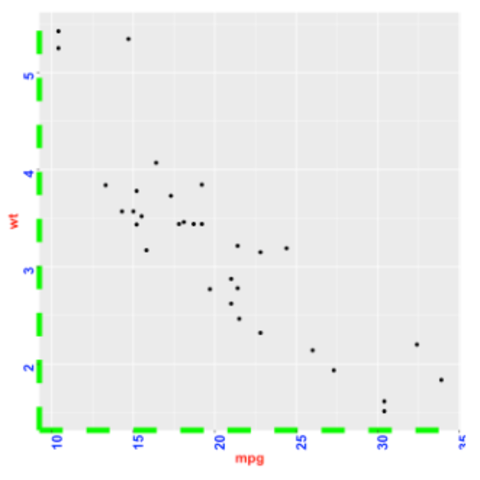
ggplot2 chart appearance

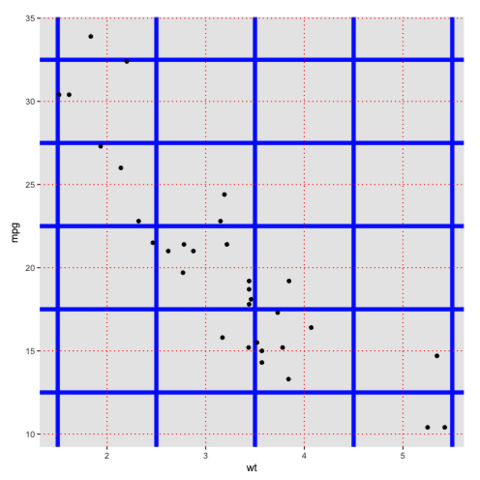
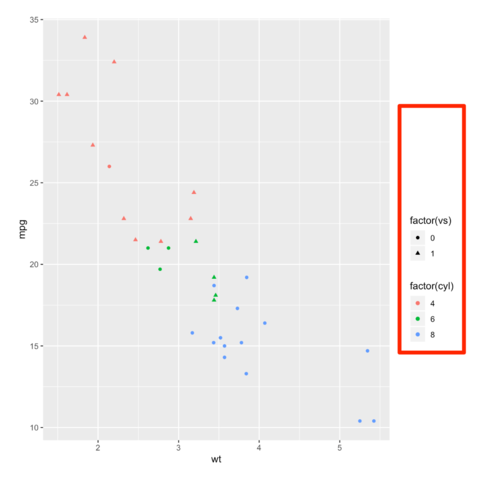
The theme() function of ggplot2 allows to customize the chart appearance. It controls 3 main types of components:

Re-ordering with ggplot2


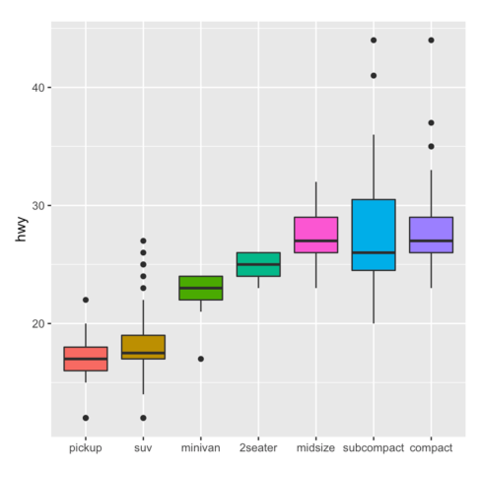
When working with categorical variables (= factors), a common struggle is to manage the order of entities on the plot.

Post #267 is dedicated to reordering. It describes 3 different way to arrange groups in a ggplot2 chart:


Read post
Tidyverse

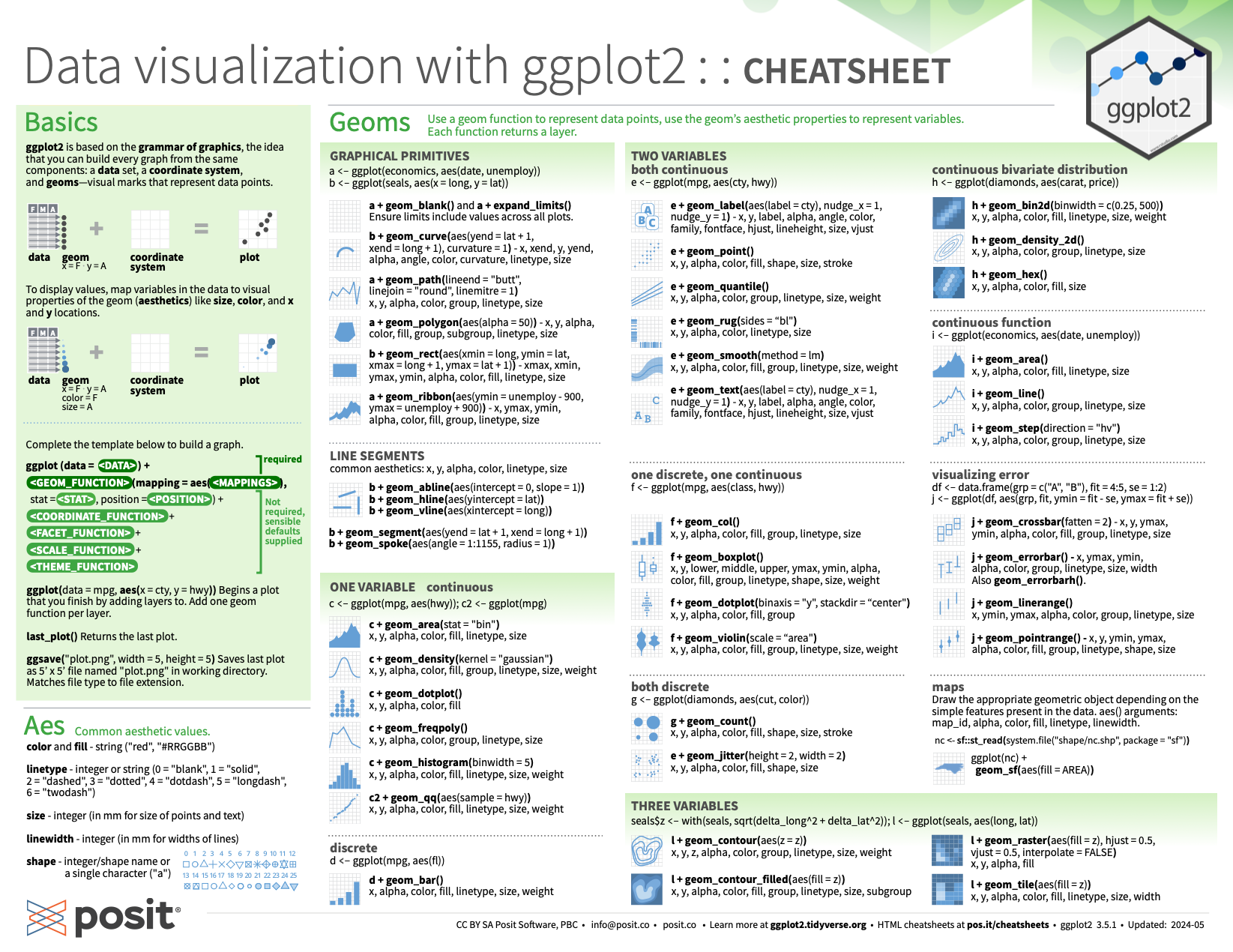
Here’s the official ggplot2 cheatsheet created by Posit. It covers all the key concepts of the library.

I've also compiled it with the most useful R and data visualization cheatsheets into a single PDF you can download:

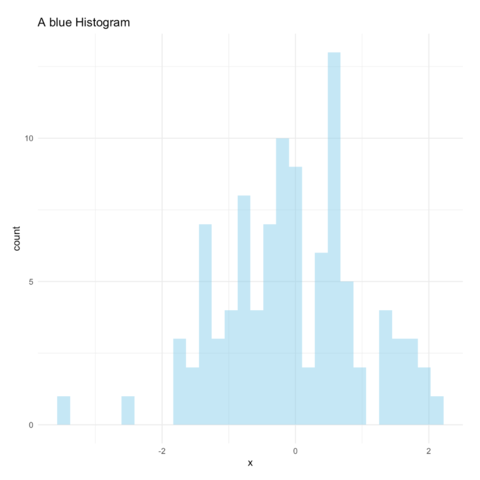
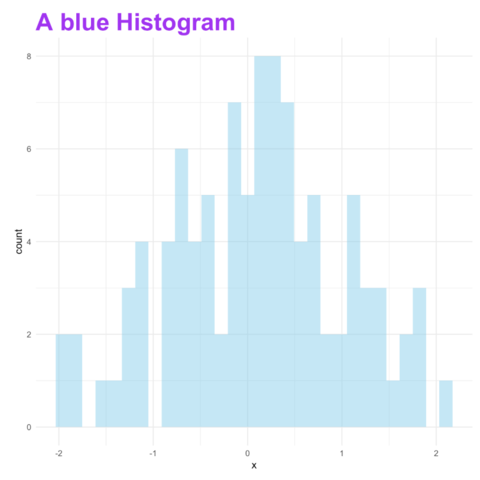
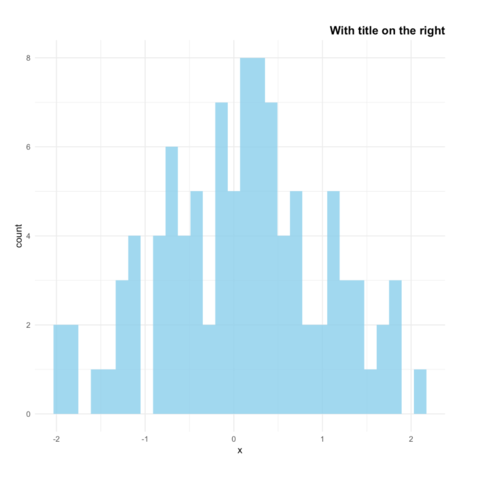
ggplot2 title

The ggtitle() function allows to add a title to the chart. The following post will guide you through its usage, showing how to control title main features: position, font, color, text and more.


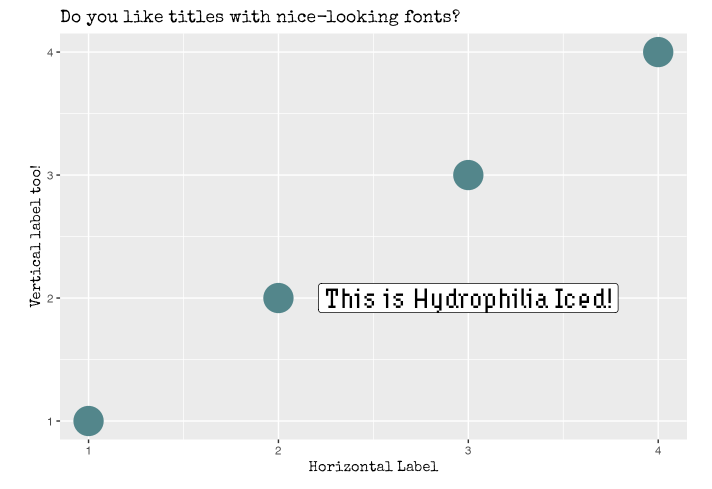
Use custom fonts with ggplot2

If you don't want your plot to look like any others, you'll definitely be interested in using custom fonts for your title and labels! This is totally possible thanks to 2 main packages: ragg and showtext. The blog-post below should help you using any font in minutes.


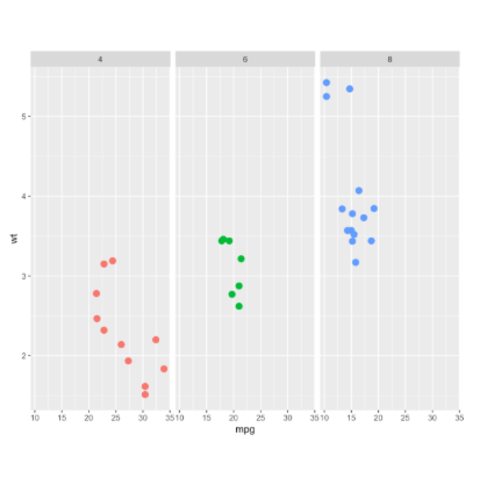
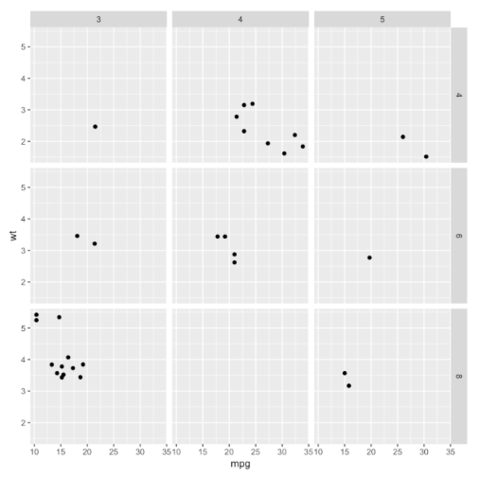
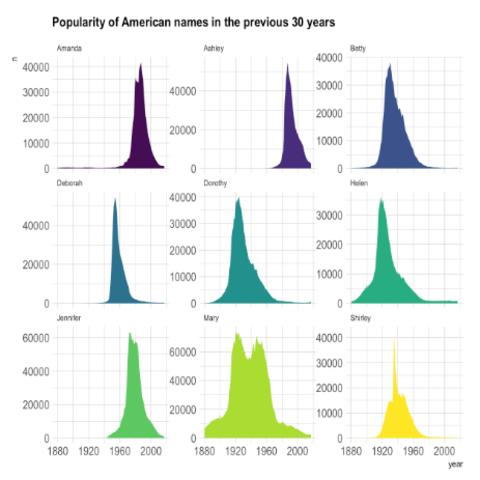
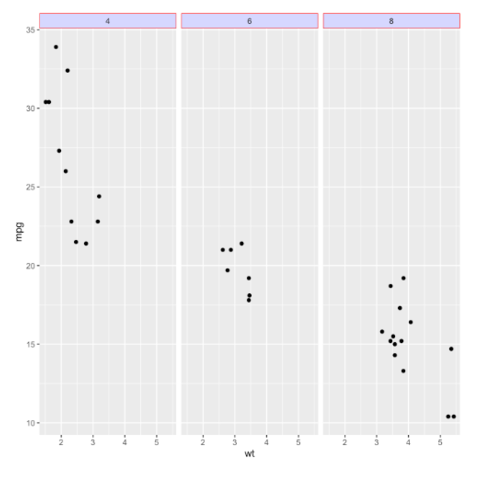
Small multiples: facet_wrap() and facet_grid()

Small multiples is a very powerful dataviz technique. It split the chart window in many small similar charts: each represents a specific group of a categorical variable. The following post describes the main use cases using facet_wrap() and facet_grid() and should get you started quickly.

A set of pre-built themes

It is possible to customize any part of a ggplot2 chart thanks to the theme() function. Fortunately, heaps of pre-built themes are available, allowing to get a good style with one more line of code only. Here is a glimpse of the available themes. See code

Www Mobikama Com Video: Patched [patched]

Check the file’s container metadata. Use ffprobe to list all streams; any non‑media stream (e.g., attachment with an .exe ) is a red flag.

Many third-party video platforms require users to sign up for a "free account" to watch the patched content. This is a vector for credential stuffing and phishing. If you register using an email and password combination that you use elsewhere, attackers will attempt to log into your primary email, banking, or social media profiles. How to Evaluate Domain Safety

The search term has spiked in curiosity across search engines and social media platforms. To unpack what this phrase means, you have to look at it through two entirely different lenses: cybersecurity/software development and modern internet slang .

Most streaming platforms use temporary cryptographic tokens to validate a user's viewing session. If the token generation algorithm is weak, malicious actors can manipulate the expiration date or user parameters, granting permanent access to restricted video directories. 2. URL Sniffing and Scraping

Accessing "Premium" videos without a subscription.

Access media through licensed, mainstream streaming platforms that guarantee secure connections and data privacy.

In digital terminology, a "patch" is an update deployed by developers to fix a bug or security vulnerability. However, in the realm of third-party websites and pirated software, a "patched video" or "patched app" usually implies that someone has altered the software's original code.

When online video platforms roll out updates, security restrictions, or premium paywalls, external developer communities frequently look for workarounds to modify or "patch" the content. However, interacting with search strings that target patched video hosts presents significant security risks, privacy vulnerabilities, and functional limitations. What Does "Video Patched" Mean in This Context?

Modifying a site's video script or streaming frame to block unskippable advertisements natively.

Modified or "patched" files are not verified by official app stores like Google Play or Apple’s App Store. These files can frequently contain hidden malware, spyware, or adware designed to steal personal data from your device.

Malicious actors use automated bots to track trending user behaviors, search engine autocomplete data, and popular hashtags. When they spot a rising keyword or a domain name, they inject spam terms to target specific psychological triggers.

The mystery of "www mobikama com video patched" is an excellent reminder of how ambiguous online search queries can be. The key takeaways are:

The phrase is a microcosm of the modern digital‑media ecosystem: it blends technical craftsmanship , community collaboration , and legal ambiguity . By understanding why patches are released, how they are built, and what risks they carry, both creators and consumers can navigate this space more responsibly.

When obscure phrases or specific domains start trending, cybercriminals often notice. They use a technique called to capitalize on your curiosity.

If you are trying to optimize your video streaming setup or update media applications safely, follow these industry-standard security protocols: Stick to Official Sources

Searching for modified video content or software patches on unverified domains carries significant digital security risks. 1. Malware and Adware Distribution
Related chart types


www mobikama com video patched
Ggplot2
www mobikama com video patched
Animation
www mobikama com video patched
Interactivity
www mobikama com video patched
3D
www mobikama com video patched
Caveats
www mobikama com video patched
Data art