We use cookies to ensure you get the best user experience on our website.Find Out More
Mobile apps, web apps, any platform. One shake, click, or tap gets you video reproductions, network logs, and everything developers need to fix issues fast.
Installation
Bugs
Crashes
Sessions
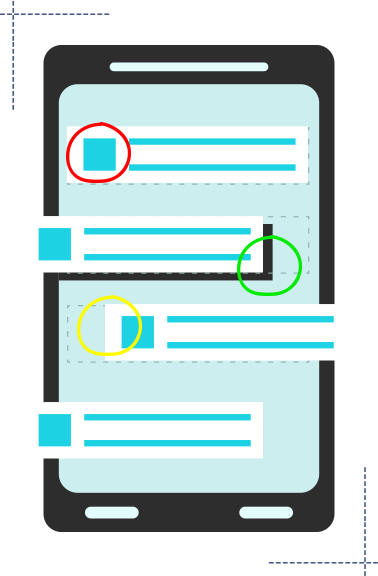
































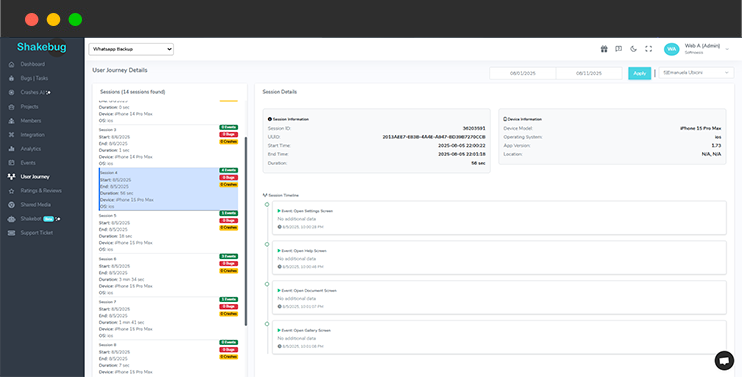
With Shakebug, you see bugs and the complete narrative. Get a clear timeline with our user journey, connecting sessions, events, bug reports, and crash data. See navigation, actions, and exact issue points. Fix issues faster and prioritize work with accurate, actionable insights in the same reporting and monitoring tool.
Wave goodbye to the hassle of sorting through countless identical crash reports. With Crash AI, our platform smartly organizes recurring crashes, presenting just one entry that includes all the essential details like the first occurrence, affected devices, OS versions, and much more.

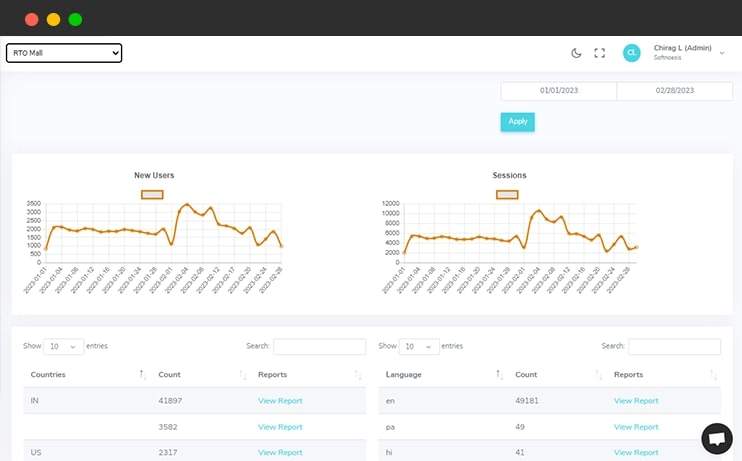
Along with bugs and crash reporting, Shakebug analyzes the application usage in different ways like session, language, countries etc. It also allows users to check analytics in the form of graphical representation over the selection period of time.
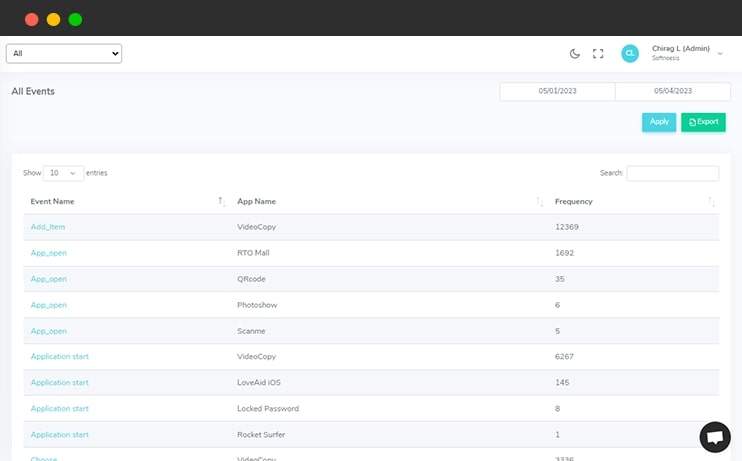
Developers/Users can add custom events and values for each action of the application easily where they want. In addition to this, users can also check the session of each event and value in graphical form as well.
Over 0 events tracked in action.
Shakebug helps users to highlight bugs by capturing the screenshot of the screen within a few clicks. This tool minimizes the bug reporting time for your tester and clients.
Shakebug will automatically report the crashes of applications whenever it occurs. Here users don't need to spend time for crash reporting.
The CX31993 is a highly integrated audio processing IC that offers exceptional sound quality, low power consumption, and versatility. The datasheet is a comprehensive resource that provides detailed information about the IC's features, specifications, and applications. By understanding the CX31993 datasheet, developers and engineers can unlock the full potential of this powerful IC and create innovative audio products that meet the demands of today's market.
Whether you are a developer troubleshooting a driver or an enthusiast trying to understand why your favorite pair of wired IEMs sounds so good on a specific device, here is the breakdown of what makes the CX31993 important.
The CX31993 supports , which covers virtually all consumer high-resolution audio formats currently available. However, it is important to note that many product descriptions list additional format support (such as DSD) that may be implemented through software conversion (DoP) rather than native hardware decoding. The native hardware capabilities of the CX31993 are focused on PCM, which remains the most widely used format in the consumer audio space.
The most common use case for upgrading mobile audio.
The Conexant CX31993 is a powerhouse audio chip that has democratized high-resolution portable audio. Its compelling combination of makes it the de facto standard for budget-friendly Hi-Fi DACs.
The CX31993! That's a interesting part.
However, for developers focusing on the AFE version for sensor interfacing, the datasheet mandates a strict initialization sequence to ensure reliable operation:
It maintains a flat response from 20Hz to 80kHz, making it suitable for "Hi-Res Audio" certification. 4. Pin Configuration and Integration
The CX31993 datasheet lived on a cool, cluttered server in a forgotten lab—a tidy PDF among schematic diagrams and firmware notes. For most engineers it was a tool: pinouts, timing diagrams, electrical characteristics neatly boxed in monochrome tables. For Mara, it was a map.
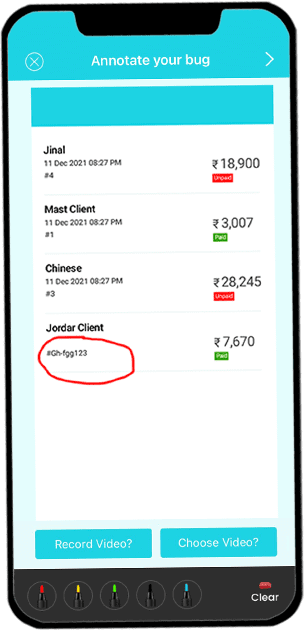
Open your application on your mobile phone and shake it. After that screen will appear where you can highlight the area of the bug.
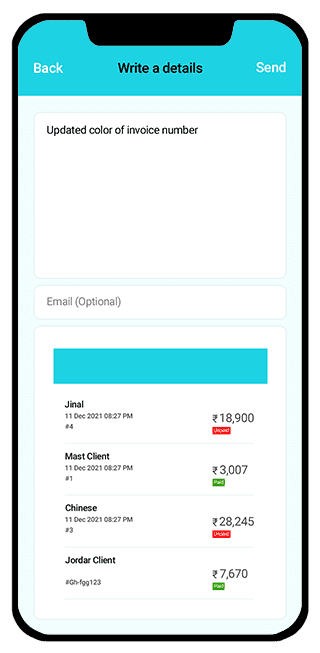
After highlighting the area, a screen will appear where the user can write a bug description which explains the details about bugs or issues.
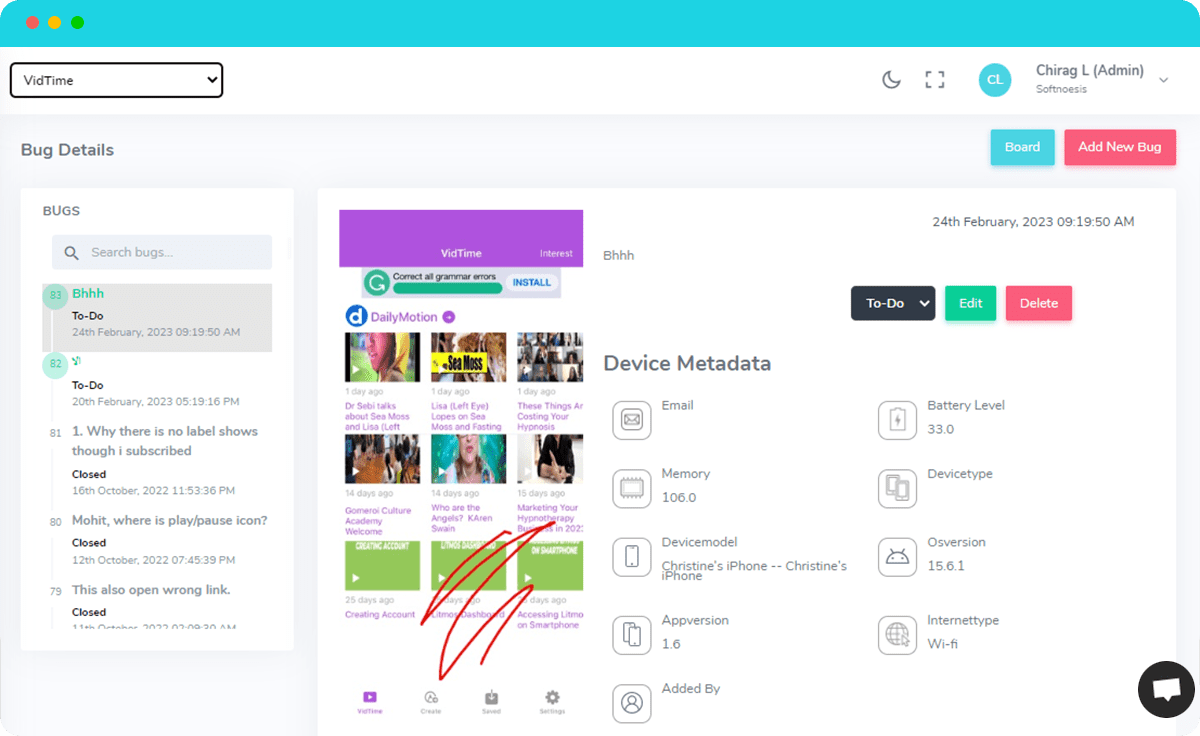
Once you report the bug, you will get the following screen with bug’s details along with device and OS information to your assigned developers. They can update its status when it is resolved.